
How 30kW PV Input Supports High-Generation Residential Sites
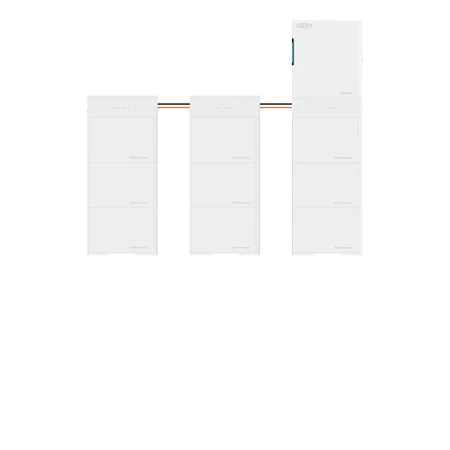
A 30kW PV input can generate around 35,000–50,000kWh of electricity per year depending on solar irradiation, system design, and location. For high-generation residential sites, this capacity supports large homes, EV charging, heat pumps, and battery storage. When paired with a suitable inverter and energy management system, a 30kW PV system can raise solar self-consumption rates by 20–40% and reduce dependence on grid electricity over a 25-year module lifespan.
A 30kW photovoltaic system is designed for residential properties with electricity demand above typical household levels. Compared with common 5–10kW rooftop installations, a 30kW array provides three to six times more generation capacity and can support properties using 80–150kWh of electricity per day.
In regions with annual solar irradiation between 1,300 and 1,800kWh/m², a 30kW PV system can produce approximately 36,000–54,000kWh annually. Performance depends on module efficiency, roof angle, temperature, inverter efficiency, and shading conditions.
A 30kW PV system using 550W modules requires about 55 panels, while a 450W module configuration requires approximately 67 panels.
The higher generation level allows residential sites to use solar power for applications that previously relied mainly on grid electricity. Large air-conditioning systems, electric vehicles, swimming pool equipment, workshops, and heat pump water heaters can all be supported by daytime solar production.
The electricity demand profile of a property determines how effectively the PV capacity can be used. Homes with high daytime consumption can directly use a larger percentage of solar generation, while properties with lower daytime demand usually require battery storage to avoid exporting excess electricity.
| Residential application | Typical daily electricity demand | Suitability for 30kW PV |
|---|---|---|
| Large single-family home | 50–100kWh | High |
| Luxury residential property | 100–200kWh | Very high |
| Rural home with workshop | 80–150kWh | High |
| Multi-unit residential building | 150kWh+ | Suitable |
Battery storage improves the ability of a 30kW PV system to match electricity generation with household consumption. Without storage, solar production is usually highest between 10:00 AM and 3:00 PM, while residential electricity use often increases after 5:00 PM.
A battery system allows excess daytime solar energy to be stored and used later. In many residential projects, battery capacities between 30kWh and 100kWh are selected for a 30kW PV array.
A properly sized battery can increase solar self-consumption from approximately 30–50% to 70–90% in many residential applications.
The selection of inverter capacity affects system performance, reliability, and future expansion options. A 30kW PV array is commonly paired with a three-phase inverter because residential sites with larger electrical loads often require balanced power distribution.
Modern hybrid systems combine PV input, battery charging, grid interaction, and household consumption management in one platform. A suitable 15kW hybrid inverter can be used in systems where multiple inverter units are combined to support larger PV capacities and battery configurations.
A multi-inverter approach is often selected for large residential projects because it provides flexibility in system design. For example, two 15kW inverter units can support a 30kW PV configuration while allowing easier maintenance compared with a single large commercial inverter.
The electrical design of a 30kW PV installation requires attention to voltage range, current limits, and string configuration. Solar modules are normally arranged into multiple strings to maintain stable operation under different weather conditions.
Typical design parameters include:
| Parameter | Typical range |
|---|---|
| PV capacity | 30kW |
| Module power | 450–550W |
| Number of modules | 55–67 units |
| Roof area required | 180–250m² |
| System lifetime | 25–30 years |
| Annual generation | 35,000–50,000kWh |
Roof conditions influence the final output of the system. A south-facing roof in the northern hemisphere or north-facing roof in the southern hemisphere usually provides strong annual production. A difference of 10–20% in yearly generation can occur between optimal and poor roof orientations.
Temperature also affects solar performance. Most crystalline silicon modules lose around 0.3–0.4% output for every 1°C increase above the rated operating temperature. Proper ventilation beneath panels can reduce heat accumulation and maintain better efficiency during summer months.
Energy monitoring platforms are increasingly used in residential solar projects. These systems collect generation data, battery status, electricity consumption, and grid interaction information at intervals as short as 5 minutes.
In a 12-month monitoring period, many residential energy management systems can identify daily consumption patterns and adjust battery charging schedules automatically.
Smart energy management becomes more important as residential electricity usage changes. The number of homes adopting electric vehicles and heat pumps has increased significantly since 2020, creating higher electricity demand during both daytime and evening periods.
A 30kW PV system provides additional capacity for future electrification. A household adding one electric vehicle may require approximately 2,000–4,000kWh of additional electricity per year, depending on driving distance and vehicle efficiency.
The economic performance of a 30kW PV system depends on electricity prices, installation costs, incentives, and self-consumption levels. In areas with electricity prices above $0.20/kWh, reducing grid purchases can create substantial long-term savings.
For example, a system generating 45,000kWh annually and replacing electricity purchased at $0.25/kWh could offset approximately $11,250 of annual electricity costs before maintenance and financing factors are considered.
Solar modules installed after 2020 commonly carry performance warranties of 25 years, with many manufacturers guaranteeing more than 80% output after the warranty period.
Maintenance requirements for residential 30kW PV systems are relatively limited. Regular inspections usually include module cleaning, inverter checks, cable inspection, and monitoring review.
Annual maintenance typically focuses on:
-
Checking inverter operating records
-
Inspecting mounting structures
-
Removing excessive dust or debris
-
Confirming battery operating temperature
-
Reviewing production data
Weather conditions influence maintenance frequency. Homes located in dry regions may require more frequent panel cleaning, while areas with regular rainfall may require less manual maintenance.
Grid interaction is another factor for high-generation residential systems. Depending on local regulations, excess electricity can either be exported to the grid, stored in batteries, or used by additional household loads.
Since 2015, many residential energy systems have shifted from simple solar generation toward integrated energy platforms combining PV, storage, and intelligent control. This development allows homeowners to manage electricity production and consumption with greater flexibility.
A 30kW PV system is suitable for residential sites that require higher electricity production, expanded battery capacity, and long-term renewable energy use.
With increasing adoption of electric vehicles, smart appliances, and battery technology, residential electricity demand is expected to continue rising through the 2030s. A properly designed 30kW PV system provides enough generation capacity to support these changes while maintaining reliable household energy supply.
Stop guessing what your positioning should sound like.
We audit your public surface, score it on the UPV scale, and hand you a written diagnosis — whether you hire us or not.
Book My Diagnostic →